
Overview
This case study shows how a 12-month, evidence-led review shaped a solar and battery retrofit for an older residential property with an existing system and varied electricity demand. The owners needed a clear basis for deciding how the property should generate, store and use electricity. Eco Connect Services provided consultancy and guidance; installation sat outside our role and was delivered through independent third-party arrangements.
The Situation
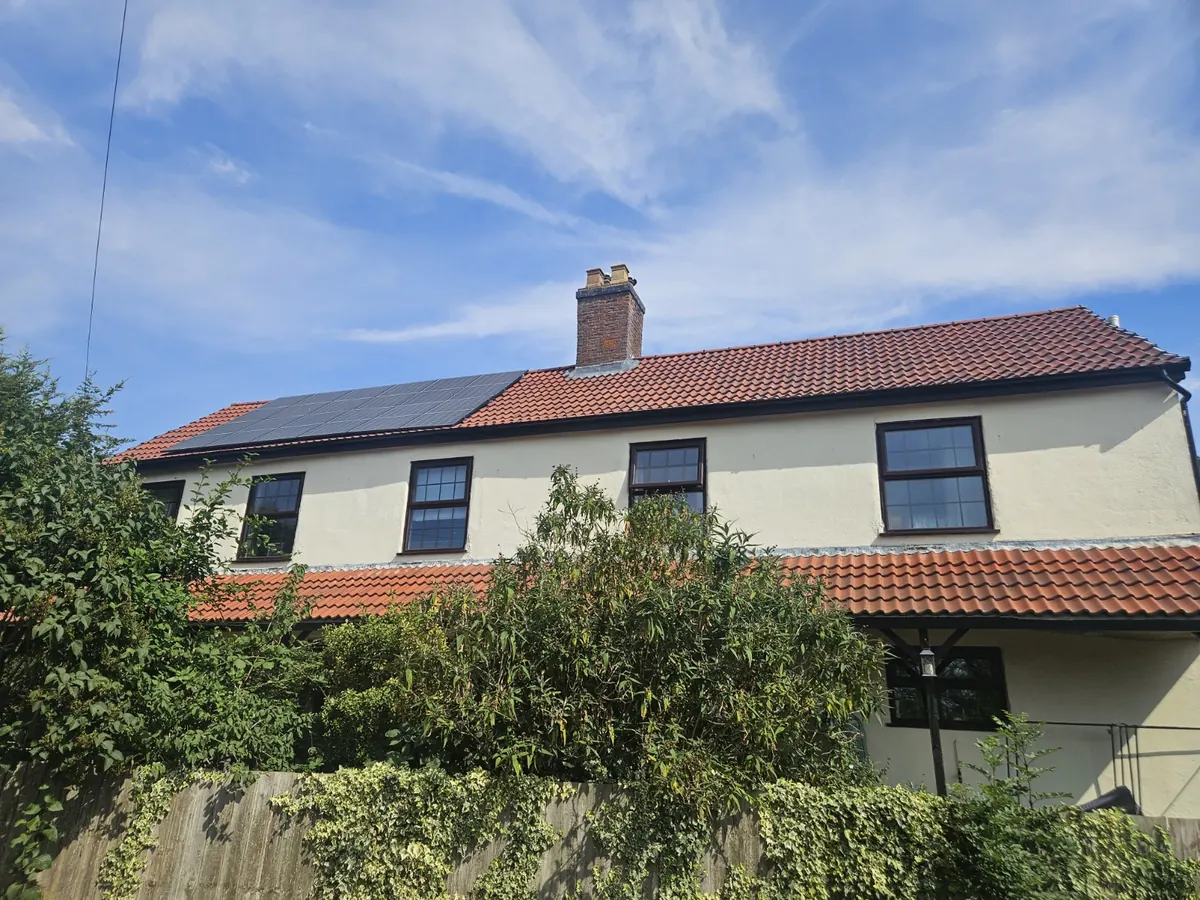
The property had previously moved from oil-fired central heating to electric radiators while retaining a small solar and battery setup. This significantly changed household electricity demand, particularly in colder months. It was therefore unclear whether expanding the existing system would suit the property without first understanding year-round use.
The review also identified wider property factors that affected the decision, including the condition of the roof insulation, an open fireplace and the location of the existing battery equipment.
The Considerations
Electricity use varied substantially between summer and winter. A short data sample would not have shown peak heating demand, charging requirements or the likely role of solar generation.
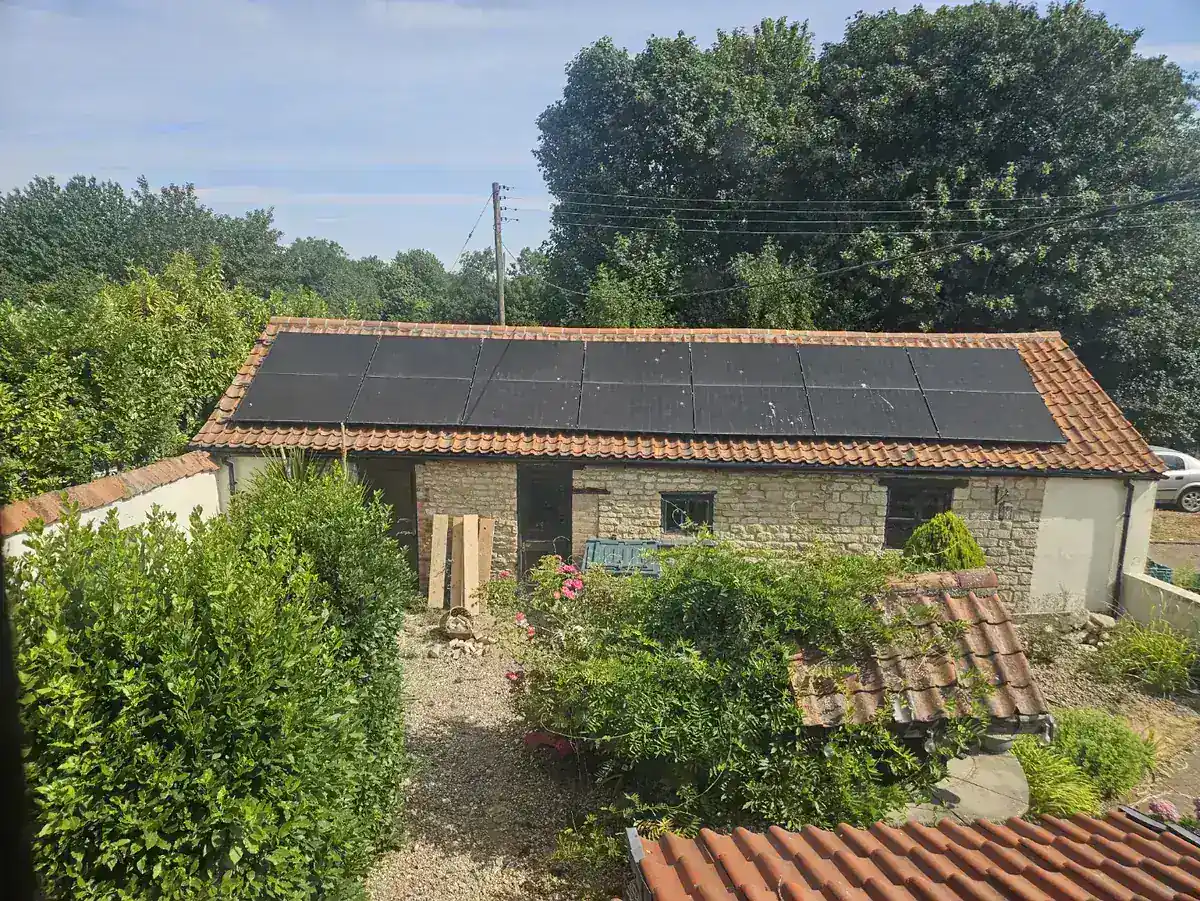
The property also presented practical constraints. The outbuilding roofs required structural review before additional panels could be considered. Export capacity was restricted, so generation, battery capacity and charge timing had to work together. The electrical infrastructure also needed to accommodate the additional load and energy throughput.
Our Approach
Eco Connect Services reviewed 12 months of electricity-use data, including a winter period, before advising on a system design. This established the property’s demand profile and allowed generation, storage, export restrictions, tariff timing and future flexibility to be considered as one system rather than as separate equipment choices.
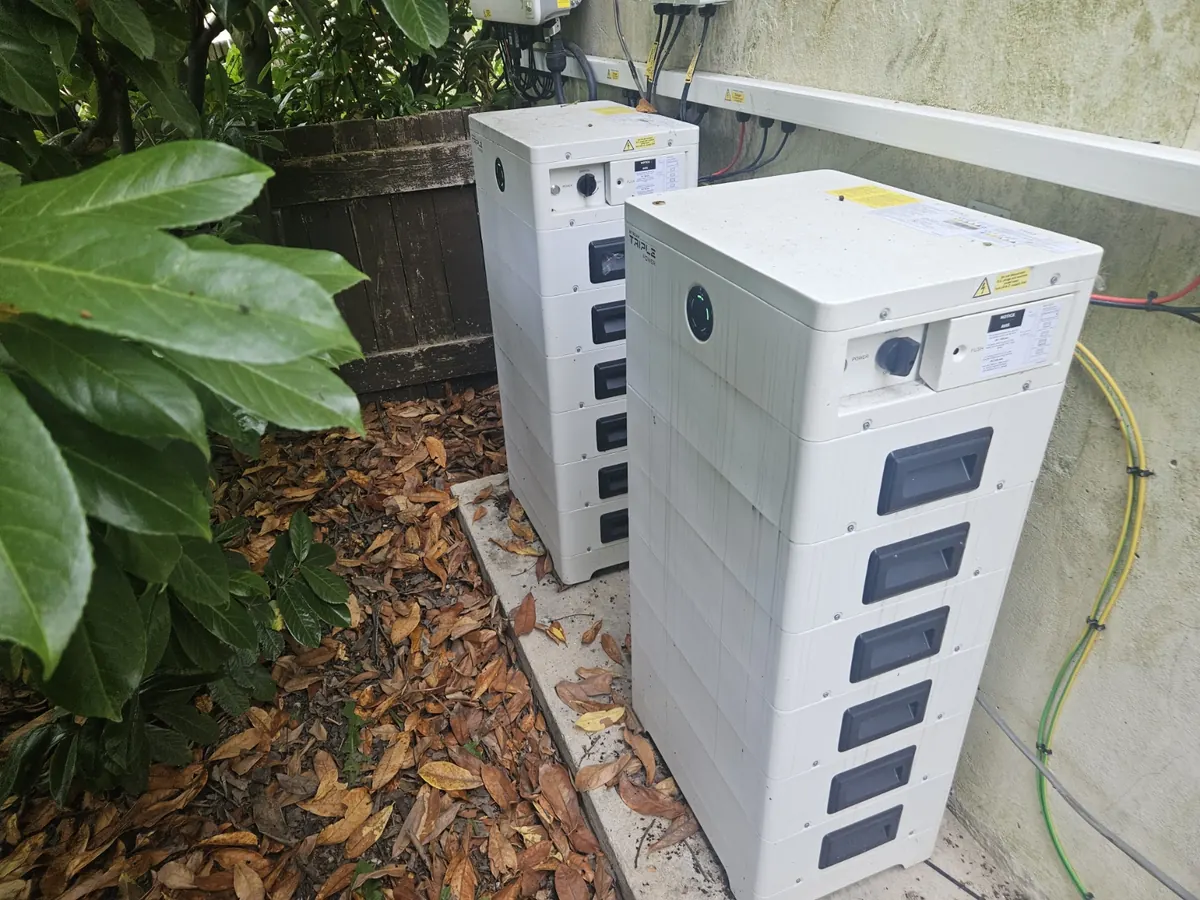
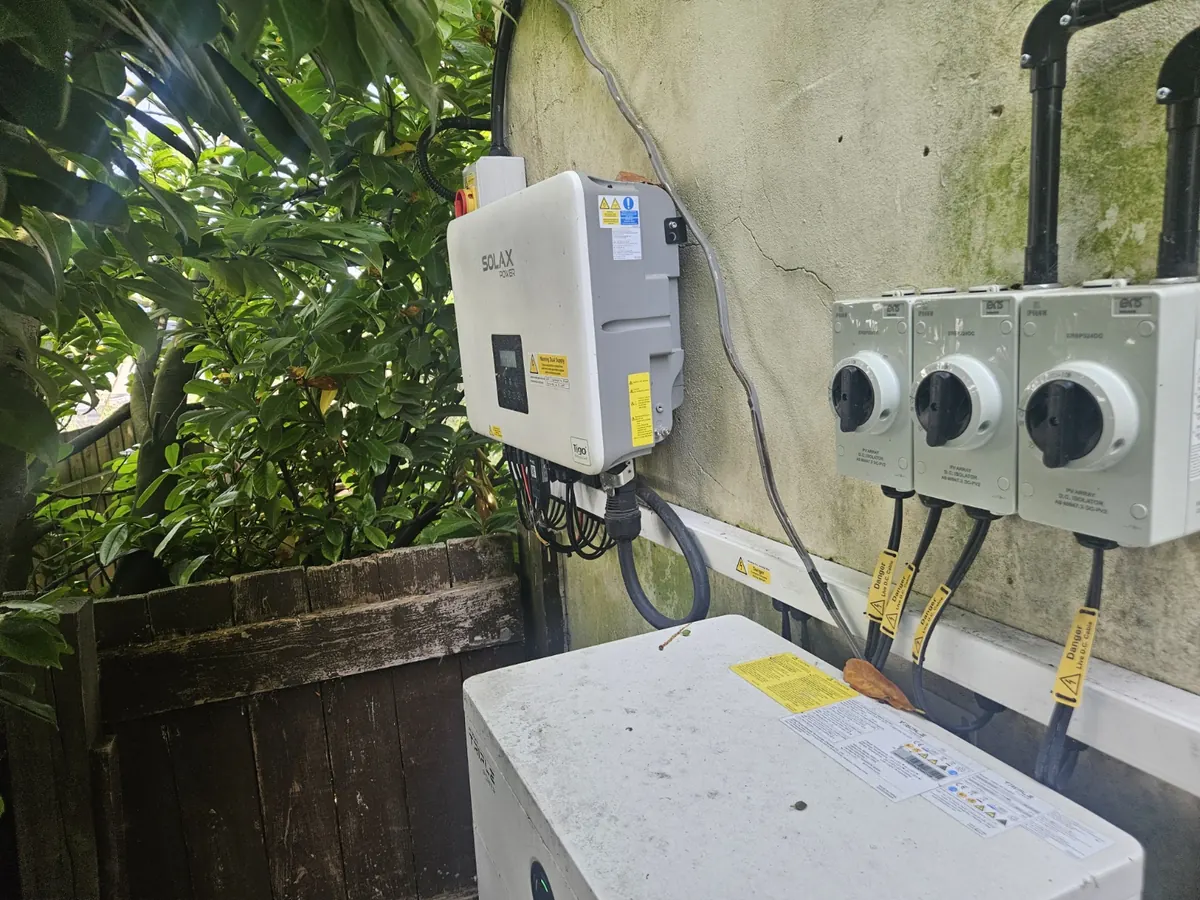
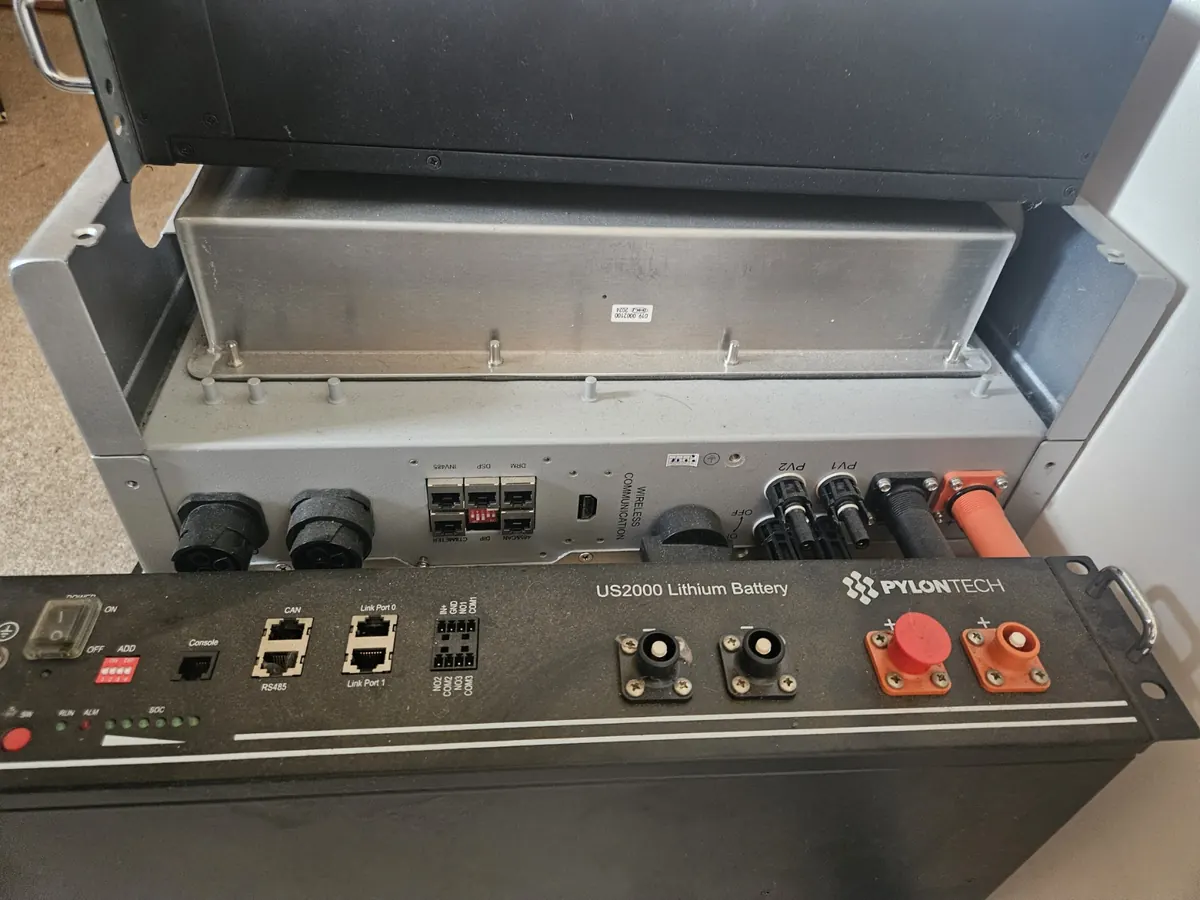
The proposed design included two additional solar arrays on outbuildings, two modular battery units and independent panel operation to limit the effect of shading or debris on one panel across the wider array. The review also identified the need for roof reinforcement, replacement of the existing inverter arrangement and upgrades to the consumer unit and entry-point electrics.
The Outcome
The resulting upgrade established a more suitable generation and storage arrangement while keeping future capacity options open. The battery system was designed to absorb generation that could not be exported and to support considered charging and discharging around available tariffs.
Existing battery equipment was removed from the loft as part of the upgrade. The installation scope reflected the structural and electrical work identified through the review.
Result and Impact
The resulting design was aligned with how the property is used in practice, not simply with an equipment specification. The project gave the owners a clearer basis for a more appropriate system design: one based on recorded demand, building constraints and export limits. The modular approach also left a route to add storage later if monitoring showed that it was needed.
Performance continues to be monitored through a full winter cycle. No annual saving, bill reduction or generation-performance claim is made in this case study. The case reinforces the value of evidence-led decisions where demand, property constraints and future needs all affect system suitability.
Key Takeaways
- Understand a full year of demand before sizing solar or battery storage for an older property.
- Consider the fabric of the building, roof capacity and electrical infrastructure alongside renewable technology.
- Treat export limits and tariff timing as part of the design, not an afterthought.
- Keep future flexibility in mind where demand patterns may change.