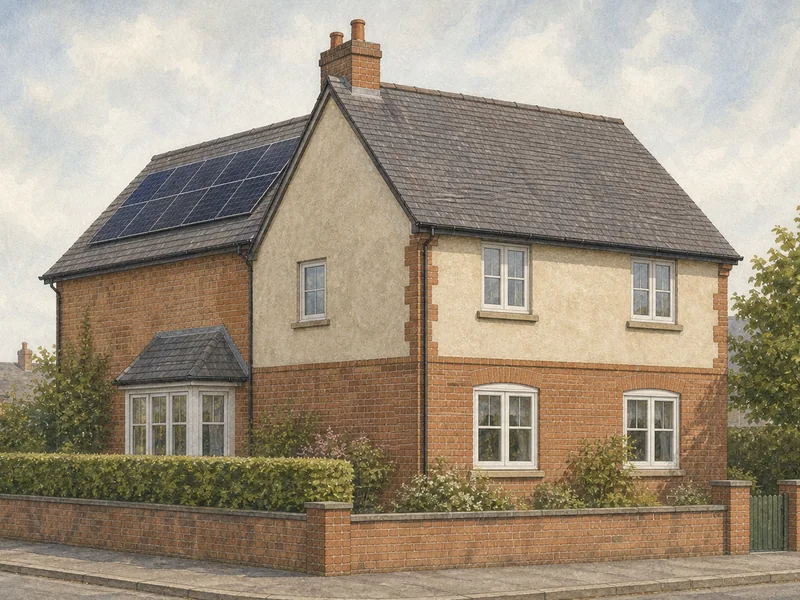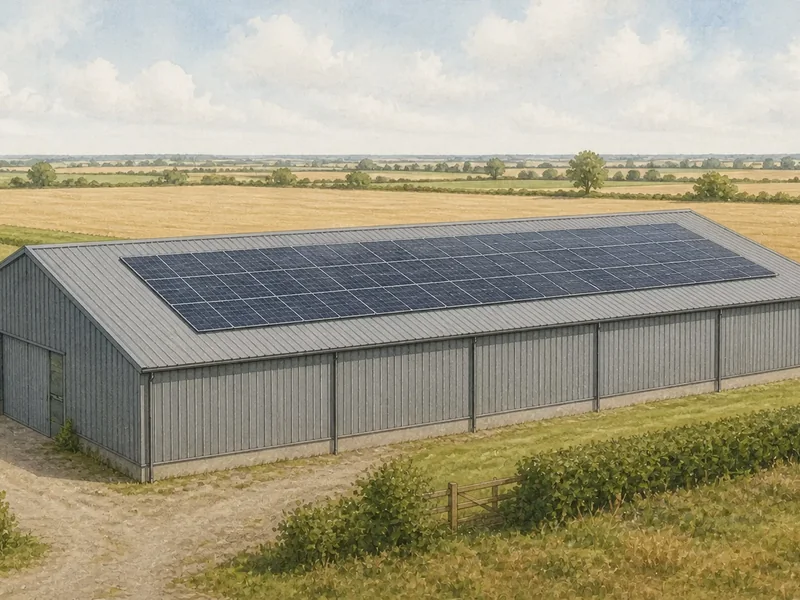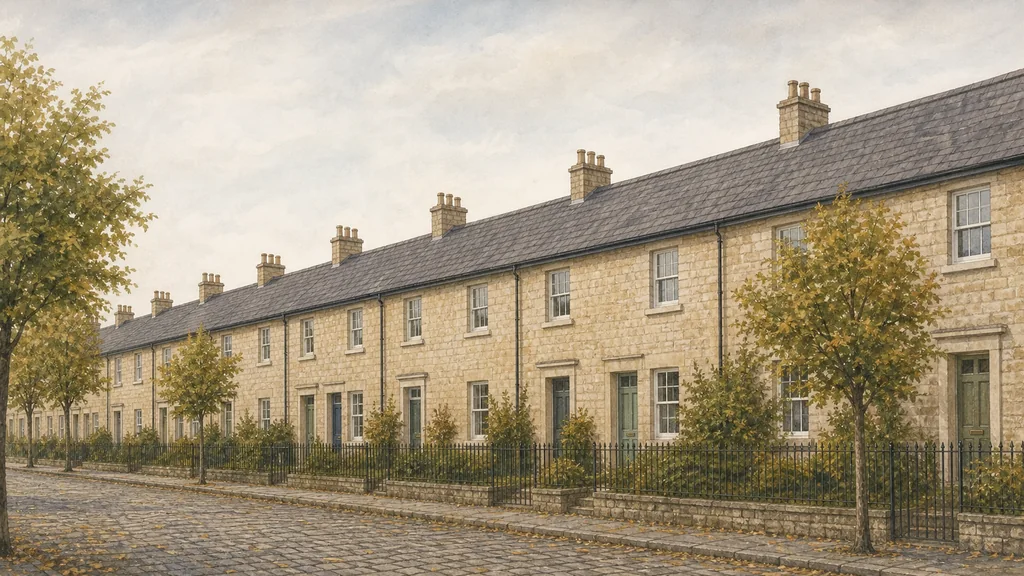
Permitted development is a national grant of planning permission, and like any grant it can be qualified. In some places the rules are tighter. In others the right has been removed altogether, and the only way to know is to look.
This matters before you spend money, not after. A quotation prepared on the assumption that no application is needed is a quotation for a different project to the one you may actually have.
The five things to check
Designated areas. Conservation areas, national parks, Areas of Outstanding Natural Beauty, World Heritage Sites and the Norfolk and Suffolk Broads all carry tighter rules. The legislation refers to these collectively as article 2(3) land, and several permitted development limits change or disappear on it.
Listed buildings. Different requirements apply, and permitted development rights for solar are restricted on and around them. Note the word “around”: a building in the grounds of a listed building is caught too, even where that building is an ordinary garage or outbuilding.
Article 4 directions. A local planning authority can withdraw permitted development rights for a defined area by issuing an article 4 direction. Where one applies, you must submit a planning application for work that would not otherwise need one. Article 4 directions are most common in conservation areas. They are local, they are not always obvious from the street, and your local planning authority will tell you whether one affects you.
Flats and maisonettes. Permitted development rights that apply to houses do not automatically apply to flats. From 27 August 2026 the two are dealt with by separate sets of rules, so anything you read that treats them as one is out of date.
Leasehold. If you are a leaseholder you may need permission from your landlord, freeholder or management company regardless of the planning position. This is a contractual question rather than a planning one, and clearing planning does not clear it.
Sources: Planning Portal, “Permitted Development Rights”, checked 17 August 2026, https://www.planningportal.co.uk/permission/responsibilities/planning-permission/permitted-development-rights, and Planning Portal, “Solar panels”, planning permission page, checked 17 August 2026, https://www.planningportal.co.uk/permission/common-projects/solar-panels/planning-permission
How to check whether a designation applies to you
Whether the property is listed or on a scheduled monument. Search the National Heritage List for England, which Historic England describes as the only official, up to date register of nationally protected historic buildings and sites in England. https://historicengland.org.uk/listing/the-list/
Whether you are in a conservation area, and whether an article 4 direction applies. This one has to come from your local planning authority. There is no single national register you can search, which is precisely why it catches people out. Both of these finders take a postcode:
- GOV.UK, Find your local council: https://www.gov.uk/find-local-council
- Planning Portal, Find your local planning authority: https://www.planningportal.co.uk/find-your-local-planning-authority
What your neighbours have already done. Local authority planning portals let you search applications by postcode or address. A recent, comparable, approved application near you, or a refused one, tells you more about your authority’s actual position than any general guide, this one included.
If you want certainty rather than an assumption
You can apply to your local planning authority for a lawful development certificate. It is optional. It confirms that the work is lawful rather than granting permission for it, and it is worth having if you may sell the property, because it answers the question a buyer’s solicitor will eventually ask.
It is not free and it is not instant, so it is a judgement call. The case for it is strongest where the position is arguable: a boundary distance close to a limit, a designation that may or may not apply, or work already carried out by a previous owner with no paperwork behind it.
What we cannot tell you
We are not planning consultants and nothing here is planning advice. We cannot confirm whether an article 4 direction applies to your street, and we cannot tell you what your authority will decide. Those answers come from the authority itself, and it is a short call and free to ask.
What we can do is help you work out whether a project is worth pursuing at all, in what order, and what to establish before you spend anything.
Information correct as of 17 August 2026. Check the linked sources before you rely on them.