
Chargepoint and connector
The unit, cable arrangement and connector format need to suit the vehicles, users, location and access needs.
EV Charging
Home, workplace and farm EV charging decisions depend on vehicles, use patterns, capacity and future needs.
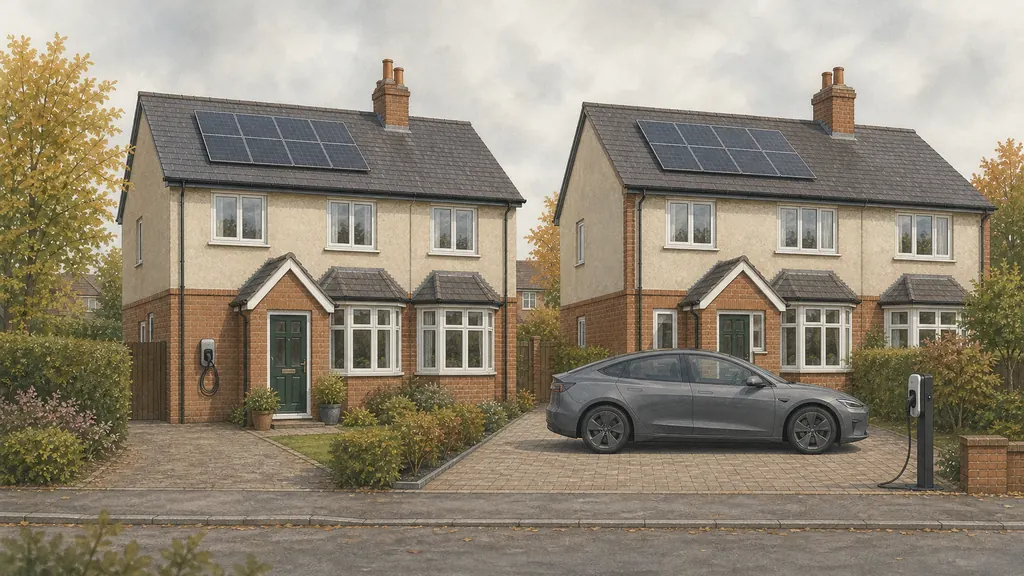
An EV chargepoint is a dedicated piece of electrical equipment that supplies a vehicle safely and manages the charging session. It is often called a charger, although the vehicle manages its own battery. The right choice depends on the vehicle, parking, dwell time, electrical capacity and future use.
A chargepoint connects a suitable electrical supply to the vehicle and communicates during charging. A good design considers the vehicle, the site’s demand and when charging needs to happen, not just the visible unit on the wall.
The property’s electrical capacity, existing demand and connection arrangement need to be understood before selecting a chargepoint.
The chargepoint is connected through suitable cabling, protection and isolation as part of the electrical installation.
The system manages the charging session within the limits of the vehicle, chargepoint and available supply.
Where appropriate, controls may help plan charging around parking time, site demand or other energy technologies.
The unit, cable arrangement and connector format need to suit the vehicles, users, location and access needs.
The route, protection and connection must work safely with the site’s electrical infrastructure.
Some sites may need controls that take account of other electrical demand, multiple vehicles or changing operating patterns.
A suitable chargepoint can make use of the time a vehicle is already at home, work or on a farm.
Charging can be considered around vehicle mileage, parking duration, drivers, operational needs and future vehicle changes.
EV charging can be explored alongside Solar PV, storage and other electrical loads so that the site is considered as a whole.
Charging speed is limited by the vehicle, the chargepoint, the available supply and how long the vehicle is parked.
The practical route between the supply and vehicle, safe access and who will use the chargepoint can all shape the design.
A single vehicle, a growing household, staff parking or a farm operation can all change the level and timing of demand.
It may be relevant for homeowners, farms and businesses with regular on-site parking and a clear understanding of vehicle use.
Which vehicles will charge here? How long are they parked? Where can a chargepoint be located safely? What other electrical demand is present?
Choosing on headline charging speed alone, overlooking cable routes or assuming a vehicle will always charge from Solar PV can lead to the wrong arrangement.
The electrical supply, parking layout, vehicle needs and any future expansion should be assessed before selecting equipment.
Solar generation can be considered alongside charging, but the vehicle’s location, daylight and charging schedule all affect what is practical.
ExploreStorage and EV charging both affect electricity demand. Their controls and operating priorities should be considered together.
ExploreWhere a property is moving toward electric heating and transport, the combined electrical demand becomes an important planning question.
ExploreOur role is to help you make a considered decision before you commit to a product or delivery route.
Eco Connect starts with vehicles, parking, routes, dwell time and the outcome you want from charging at the site.
We help identify the questions around electrical capacity, location, cable routes, existing loads and likely future demand.
We explain how charging may connect with Solar PV, storage and other electrical upgrades without assuming every technology is required.
Where you choose to proceed, Eco Connect can coordinate with trusted specialists for expert delivery.
These answers are general guidance. A property or site assessment is needed before making a technology decision.
No. The vehicle, chargepoint, electrical supply and available time all affect charging speed. The right option is based on how the vehicle is actually used.
Not necessarily. Solar generation, vehicle location and charging time do not always align. Controls can be discussed, but the property’s wider demand still matters.
It depends on the existing supply, other loads, chargepoint choice and future plans. A site assessment is needed before deciding what is required.
Yes, but the charging strategy should consider how many vehicles are present, when they need to be ready, available capacity and how demand may grow.
Start with a free renewable consultation. We will listen to what you want to achieve, ask a few practical questions and help identify the most useful next step.