
Heat source and outdoor equipment
The unit or collector needs appropriate siting, access, clearances and consideration of the property context.
Heat Pumps
Heating decisions depend on property fabric, current system, comfort needs and long-term plans.
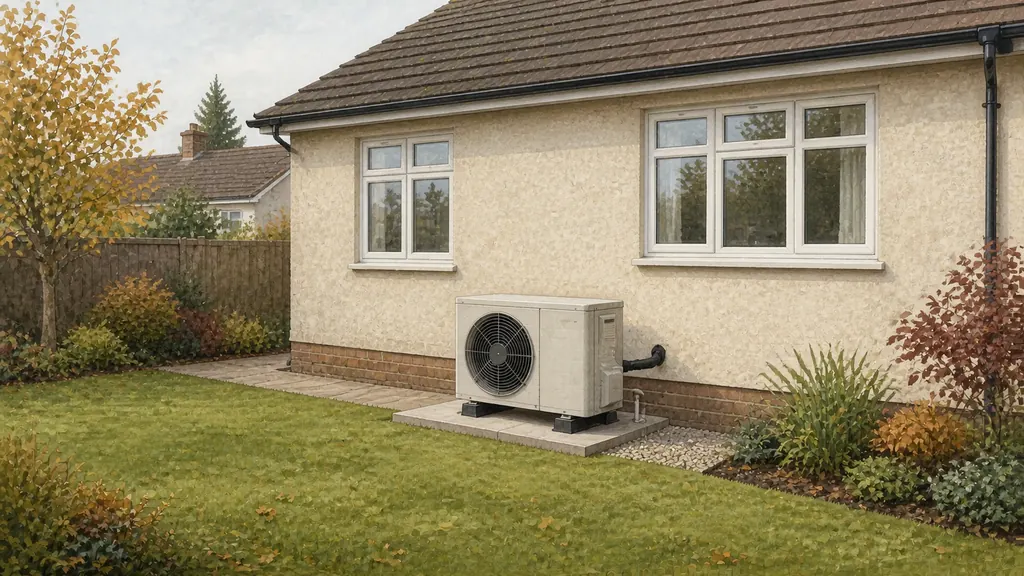
A heat pump uses electricity to move heat from the air, ground or water into a building. It is not simply an electric boiler. Most domestic projects consider air-source heat pumps, but the right approach depends on the property’s fabric, heating system, hot-water needs, space and expectations for comfort.
A heat pump collects low-temperature heat from outside, raises its temperature through a refrigeration cycle and transfers it into the heating and hot-water system. The building and its emitters are central to how well that arrangement can work.
An outdoor unit or ground-based collector takes heat from the environment. The available source and installation context matter.
A compressor and refrigerant circuit move and raise the heat so it can be used by the building’s heating system.
Heat is transferred through radiators, underfloor heating or other suitable emitters, and often into hot-water storage.
Controls help match heating to the building and occupants. The right settings and expectations are part of the overall design.
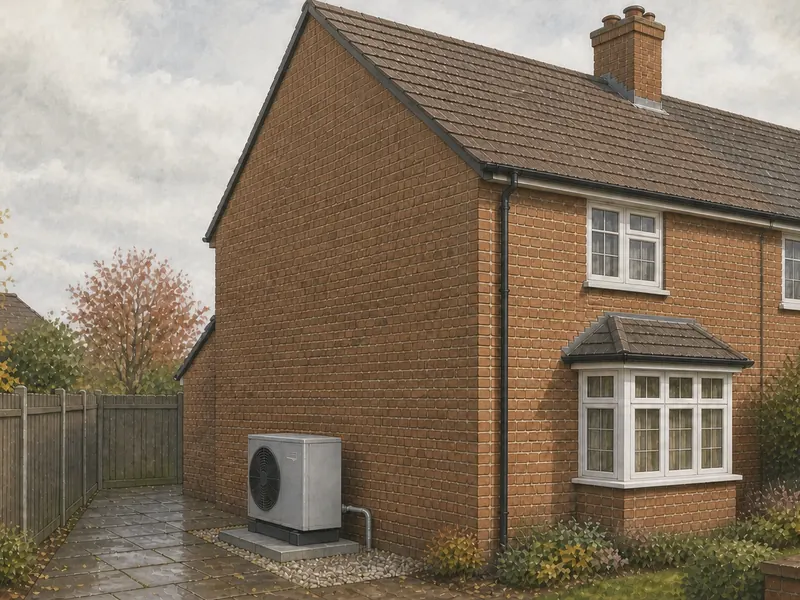
The unit or collector needs appropriate siting, access, clearances and consideration of the property context.
Radiators, underfloor heating, pipework and flow temperatures need to be considered against the property’s heat loss.
Many arrangements need suitable hot-water storage and controls so that heating and hot water work together as designed.
A heat pump can provide space heating and, in many designs, hot water through an electricity-based system.
It brings attention to fabric, emitters, controls, comfort and hot-water needs rather than treating heating as a single product decision.
It can be assessed alongside Solar PV, storage, EV charging and electricity demand management as part of a considered plan.
Heat loss, insulation, draughts, emitters and controls influence what is realistic. Installing equipment before understanding the building is a common mistake.
A heat pump can operate differently from a boiler. Good design considers flow temperatures, hot water, controls and how the property is used.
The location of equipment, access, pipe routes, outdoor environment and planning context should be assessed early.
It may be relevant for owners planning heating changes, properties improving fabric or controls, and sites considering a longer-term move toward electrification.
How does the building retain heat? What heating and hot-water system is in place? Are radiators or controls due for review? Where could equipment sit?
Assuming underfloor heating is always required, overlooking heat loss, or expecting identical operation to a boiler can lead to unsuitable choices.
A property assessment is needed before deciding whether a heat pump, fabric work, emitter upgrades, controls or a phased plan is appropriate.
Solar generation can be assessed within a broader electric-heating plan, while recognising that heating demand and daylight generation vary differently through the year.
ExploreStorage may be considered as part of managing electricity use, but it does not replace the need for a suitable heating design and building assessment.
ExploreA heat pump and EV charging both add to electrical demand, so capacity and the timing of loads should be considered together.
ExploreOur role is to help you make a considered decision before you commit to a product or delivery route.
Eco Connect starts with the property, current heating, comfort expectations, hot-water needs and the plans you have for the building.
We help establish what needs assessment around fabric, emitters, controls, space, electrical capacity and the wider energy plan.
We make clear where a heat pump may fit, where preparatory work may be more useful, and when a phased approach is sensible.
Where you choose to proceed, Eco Connect can coordinate with trusted specialists for expert delivery.
These answers are general guidance. A property or site assessment is needed before making a technology decision.
Heat pumps are designed to operate in cold conditions, but the right system and expected performance depend on the property, heat loss, heating design and local installation context.
Not automatically. Existing radiators may be suitable or may need changes. The answer depends on the property’s heat loss, emitter sizes and heating design.
Fabric improvements can be important, but there is no single rule for every property. A proper assessment should consider insulation, draughts, heating emitters and controls together.
Many heat-pump arrangements can provide hot water, often with suitable storage. The right approach depends on household or site demand and the overall system design.
The fabric, radiator, space and electrical questions that decide whether a heat pump works well in a building, and what usually has to happen first.
Explore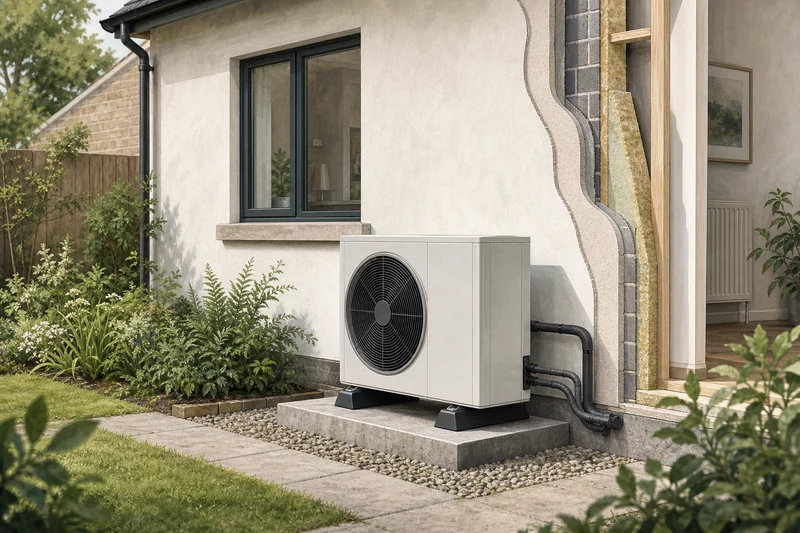
What the Boiler Upgrade Scheme does and does not require, who is allowed to install a heat pump, and where to check every rule for yourself.
ExploreStart with a free renewable consultation. We will listen to what you want to achieve, ask a few practical questions and help identify the most useful next step.