Capacity: the energy tank
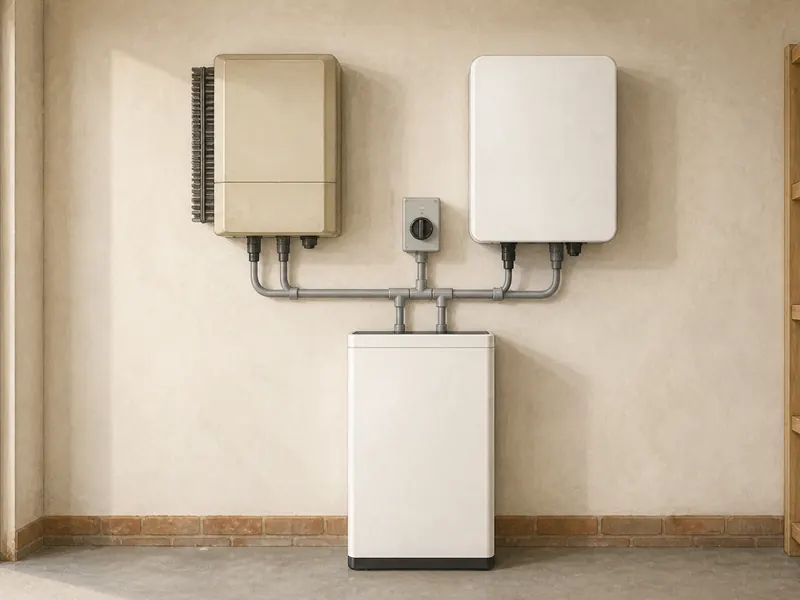
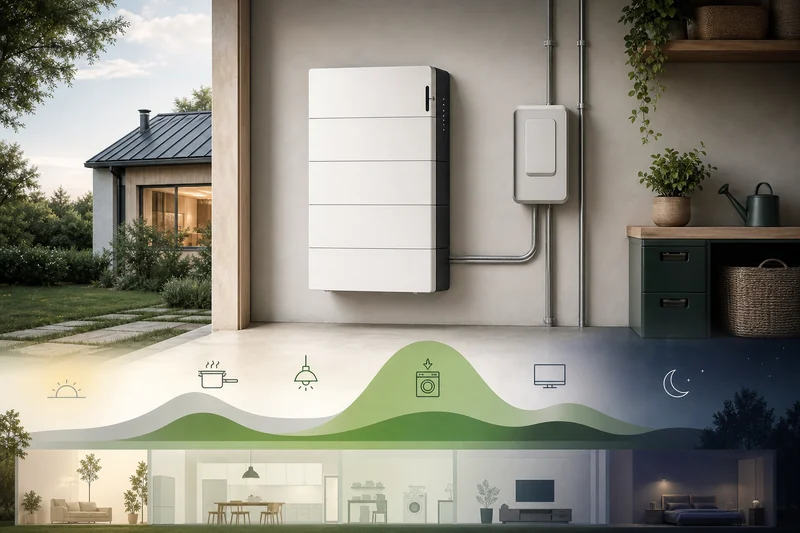
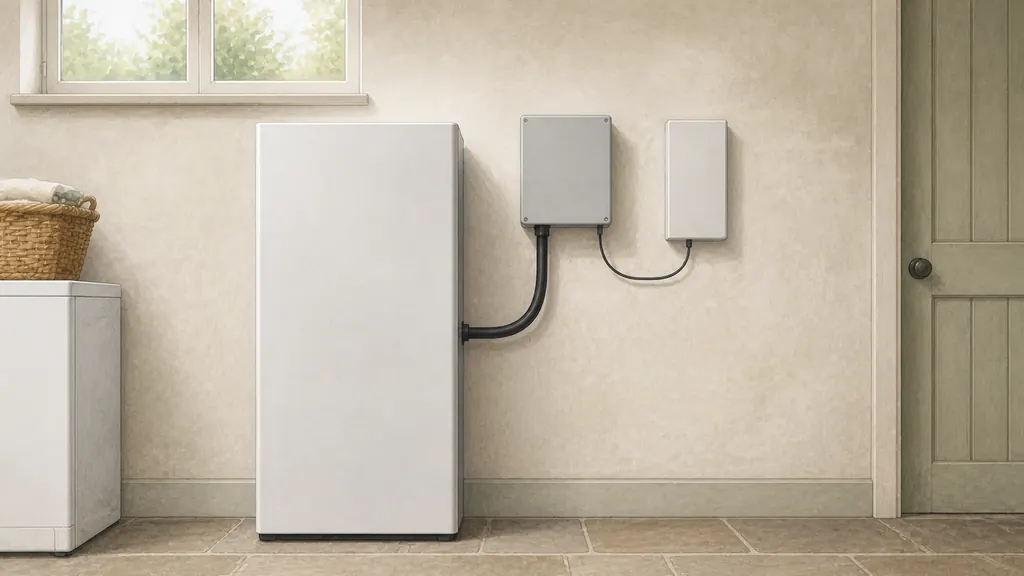
Battery capacity is usually expressed in kilowatt-hours, or kWh. It describes the amount of energy the battery can store. Energy Saving Trust notes that battery size depends on how much electricity the home uses and when it uses it.
Power rating: the flow rate
Power rating is usually expressed in kilowatts, or kW. It describes how quickly the battery can charge or discharge. A battery with enough stored energy may still be unable to support every load at once if its power rating is limited.
Usable capacity
Some of the headline capacity may be reserved by the system to protect battery health. What matters for day-to-day planning is usable capacity, not only the marketing figure.
Why bigger is not always better
Oversizing can increase cost without increasing useful benefit if the battery is rarely charged or the household does not need the stored energy. Undersizing can leave useful solar export untouched or fail to meet evening demand.
- Match capacity to actual energy use.
- Match power rating to expected loads.
- Consider seasonal differences in solar generation.
- Check whether backup expectations are realistic.
A practical way to think about it
Capacity answers “how much energy can I store?” Power answers “how quickly can I use it?” A good design needs both answers and relates them back to the home, not just a specification sheet.
Questions to ask before deciding
- What is the usable capacity?
- What is the continuous and peak power rating?
- What loads should the battery support?
- How is battery performance affected by warranty terms or operating limits?
Information and source control
Information correct as of: 17 July 2026
Sources available on request or reviewed during consultation.