1. Your electricity pattern
- Do you use significant electricity in the evening or overnight?
- Do you work from home or have daytime demand?
- Do you have smart meter data or half-hourly readings?
- Are you planning EV charging, heat pump installation or other electrical loads?
2. Your solar position
- Do you already have solar panels?
- If yes, how much electricity is exported on a typical bright day?
- If no, is solar being considered at the same time?
- Is the existing inverter compatible with the battery route being proposed?
3. Your tariff position
- Are you on a flat tariff or a time-of-use tariff?
- Is there a meaningful difference between cheaper and more expensive periods?
- Are export tariff terms clearly separated from import tariff assumptions?
- Could tariff terms change and affect the model?
4. Your practical constraints
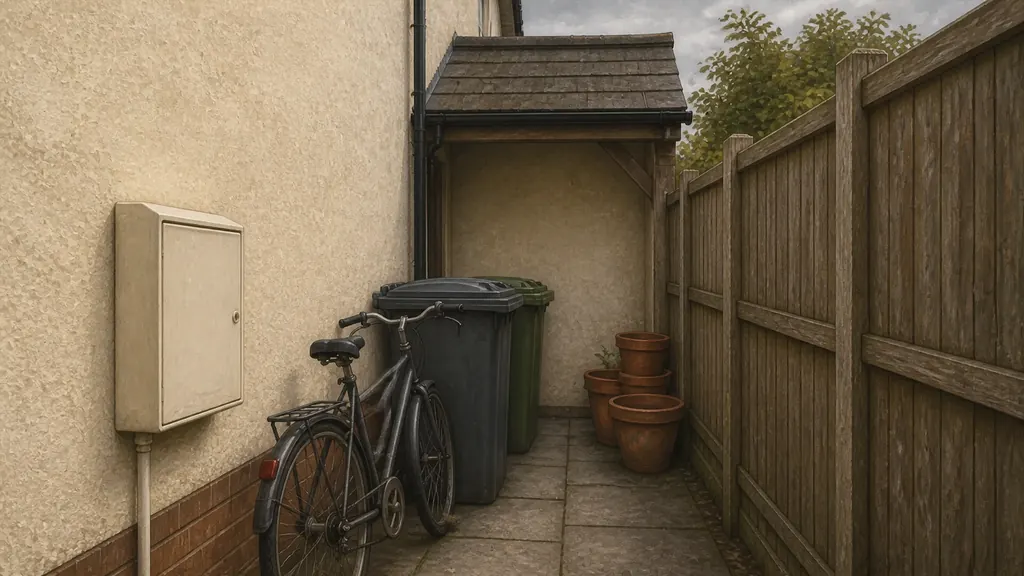
- Is there a suitable location for the battery?
- Is the location within the manufacturer and installer requirements?
- Is access safe for installation and future maintenance?
- Are there any electrical upgrade or DNO considerations?
5. Your expectations
- Do you want lower imports, better solar self-use, tariff optimisation, backup power or future flexibility?
- Do you understand that backup capability requires specific design?
- Are you comfortable with app-based monitoring and operating settings?
- Would a smaller, phased or later installation be more sensible?
Questions to ask before deciding
- What is the battery’s clear purpose?
- What evidence shows the battery will be used regularly?
- Is the suggested size matched to actual usage?
- What needs professional confirmation before deciding?
Information and source control
Information correct as of: 17 July 2026
Sources available on request or reviewed during consultation.