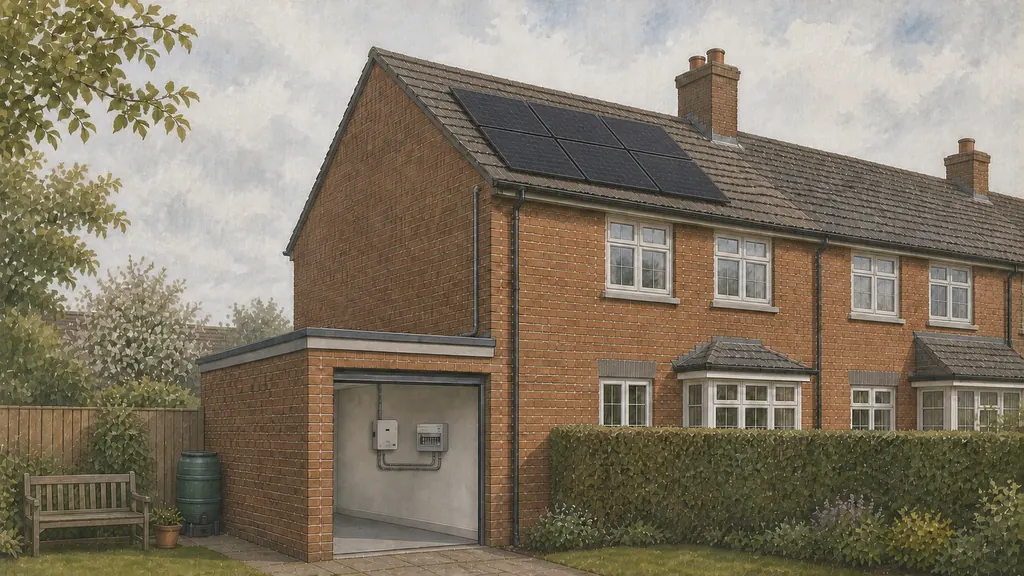
Solar PV in one minute
Solar photovoltaic panels generate electricity from daylight. Solar cells produce an electrical charge when light reaches them. This electricity leaves the panels as direct current, or DC, before an inverter converts it into alternating current, or AC, which is the form used by normal household appliances.
When the panels are generating, the home can use that electricity immediately. If generation is higher than the home demand at that moment, surplus electricity may be exported to the grid or stored in a compatible battery. If the home needs more electricity than the panels are producing, the grid normally supplies the balance.
The main parts of a solar system
- Solar panels collect daylight and generate DC electricity.
- Mounting equipment secures panels to the roof or structure.
- An inverter converts DC electricity into AC electricity.
- Electrical protection, cabling and isolation equipment connect the system safely.
- Monitoring helps the owner understand generation and system status.
- Optional battery storage can store electricity for later use, subject to design and compatibility.
Why usage pattern matters
Two similar roofs can produce similar electricity, but the households may get different value from the same generation. A home that uses more electricity during daylight may use more of its own solar electricity. A home that mainly uses electricity in the evening may export more unless usage changes or storage is added.
What affects generation
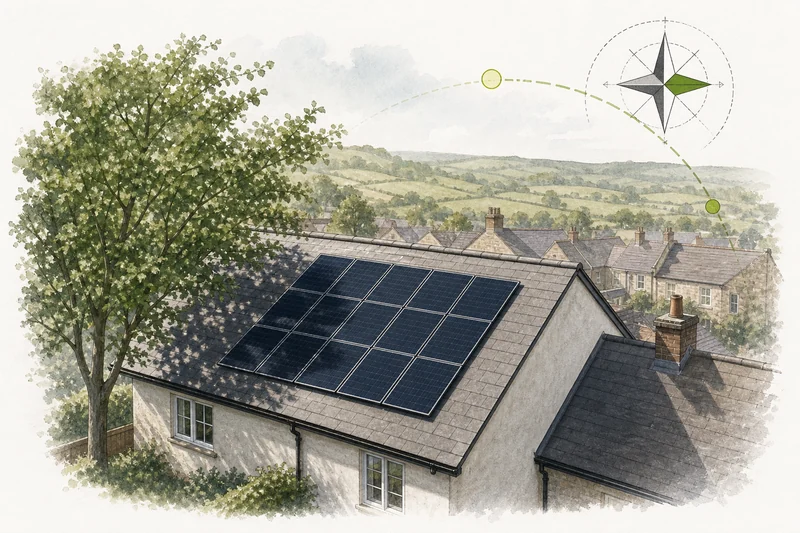
- Roof direction and pitch.
- Shade from trees, chimneys or nearby buildings.
- Available clear roof area.
- System layout and equipment selection.
- Season, weather and daylight conditions.
- Technical or grid constraints that affect the final design.
What a proper review should establish
A useful consultation starts with the customer’s objective. The aim may be reducing imports, preparing for an electric vehicle, reducing carbon impact, improving visibility of energy use or building a staged plan. Only after the objective, the property and the usage pattern are understood should a product recommendation be discussed.
What happens to the electricity between the panels and your consumer unit is a design decision with real consequences for shaded or complicated roofs. String inverters and optimisers explained covers the choice.
Questions to ask before deciding
- What outcome matters most?
- How much electricity is used each year, and when?
- Is the roof or site suitable after shade, structure and access are checked?
- Should storage be considered now, designed for later, or left out?
- What assumptions sit behind any generation or savings estimate?
Information and source control
Information correct as of: 17 July 2026
Sources available on request or reviewed during consultation.