Why the consultation matters
Solar can look simple from the outside: panels on a roof, power into a home or site, and a saving on electricity. In practice, the right system depends on the location, how electricity is used, future plans and the constraints that a proper survey uncovers.
The purpose of the first conversation is therefore to establish whether a project deserves more detailed design work, not to push a standard package.
What should be discussed first
The strongest starting point is the customer’s objective. Reducing bills, preparing for an electric vehicle, supporting a business, improving resilience or lowering carbon impact can all lead to different design choices.
- What outcome matters most?
- How much electricity is used each year?
- When is electricity used during the day and evening?
- Are there future plans such as an EV, battery, heat pump, extension or business expansion?
- What budget, disruption, aesthetics and maintenance preferences need to be respected?
What a site survey should check
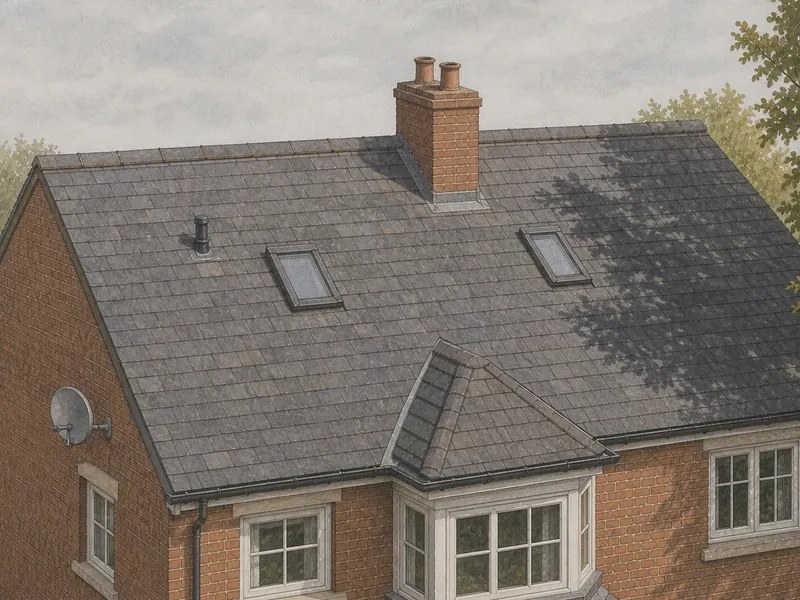
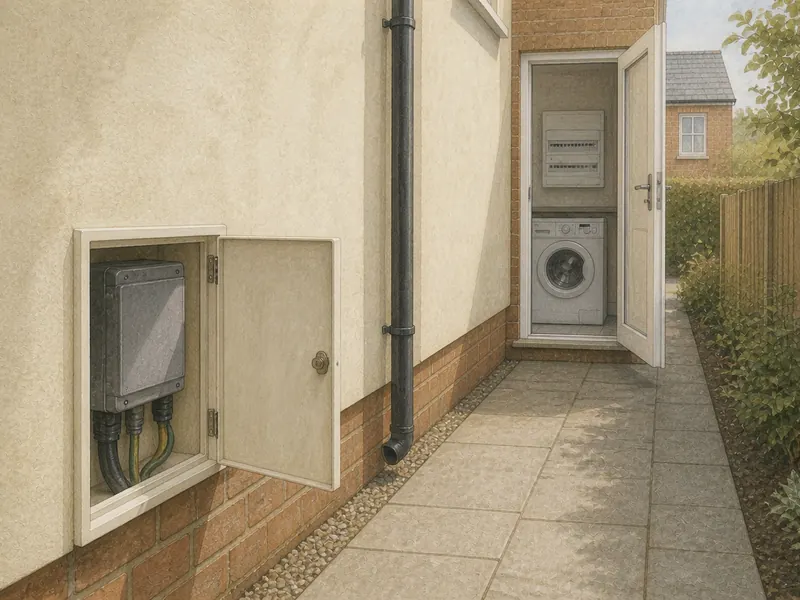
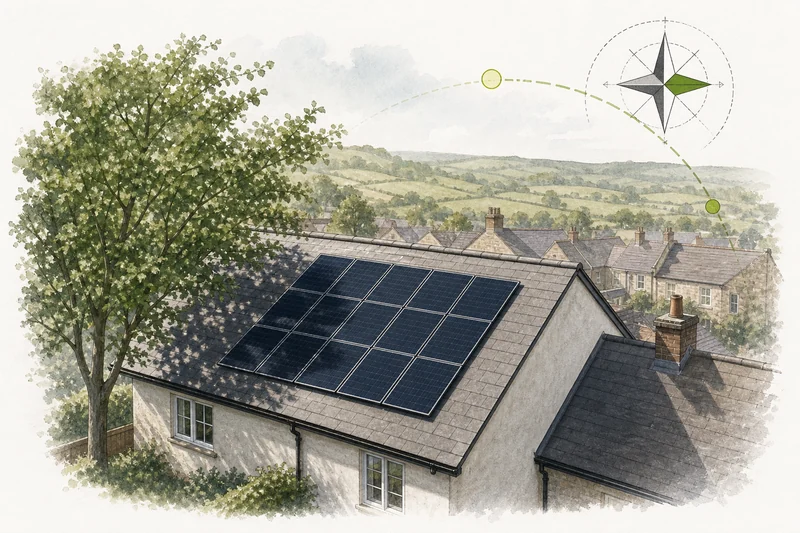
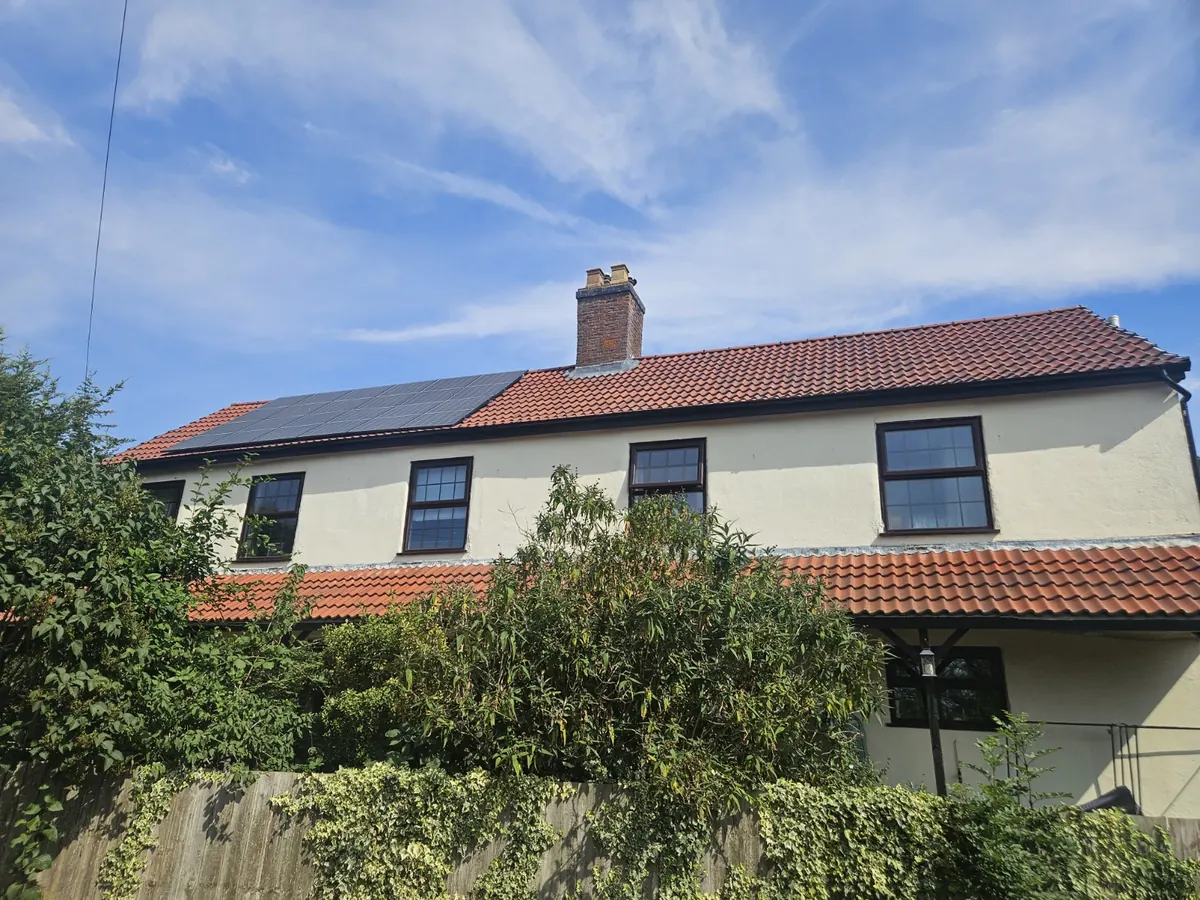
A survey should turn a broad idea into a property-specific assessment. For a roof project, that means looking at orientation, dimensions, pitch, shading, roof condition, access, cabling routes and electrical equipment. For businesses and farms, the survey may also review meter arrangements, consumption data, roof ownership, operational disruption and network constraints.
What should be clear after the review
A useful outcome may be a recommendation to proceed, pause, phase the project, collect more data or rule out a particular option. That is still a valuable result because it avoids unsuitable purchases and unrealistic expectations.
- The main options and their trade-offs.
- What assumptions still need technical confirmation.
- Whether solar-only, solar-and-battery, or a phased route is being considered.
- What information is needed before costs and savings are modelled responsibly.
Questions to ask before deciding
- Has the recommendation been built around the customer’s objective rather than a product?
- Are the generation and savings assumptions transparent?
- Has roof, electrical and grid suitability been checked or clearly marked as pending?
- Is battery storage being modelled separately from the solar array?
Information and source control
Information correct as of: 17 July 2026
Sources available on request or reviewed during consultation.