1. Energy information
The most helpful starting point is evidence of actual electricity use. Annual consumption, tariff details and times of use make the review more realistic than a generic estimate.
- Find a recent electricity bill or annual consumption figure.
- Note whether usage is mainly daytime, evening, overnight or mixed.
- List any high-demand appliances or planned additions such as an EV or heat pump.
2. Property and roof information
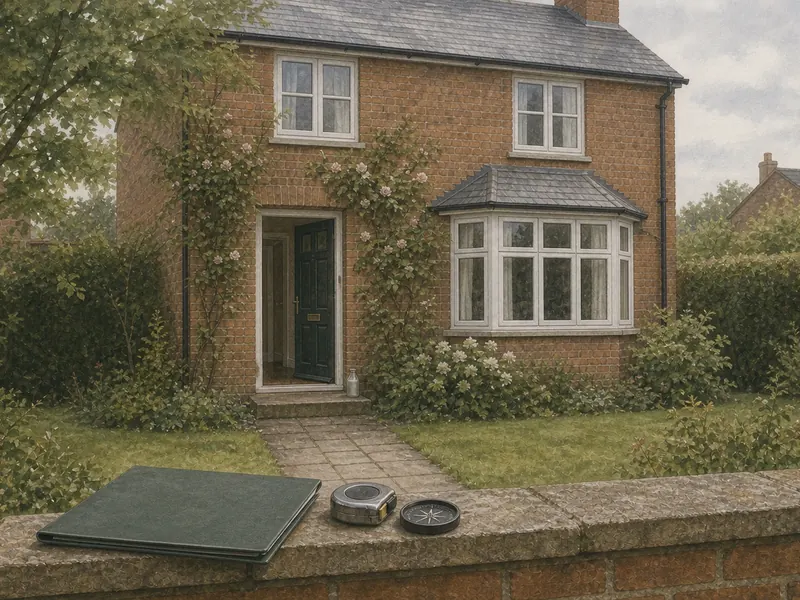
Safe ground-level photos and basic property information help identify obvious questions before a survey. They are not a substitute for professional assessment.
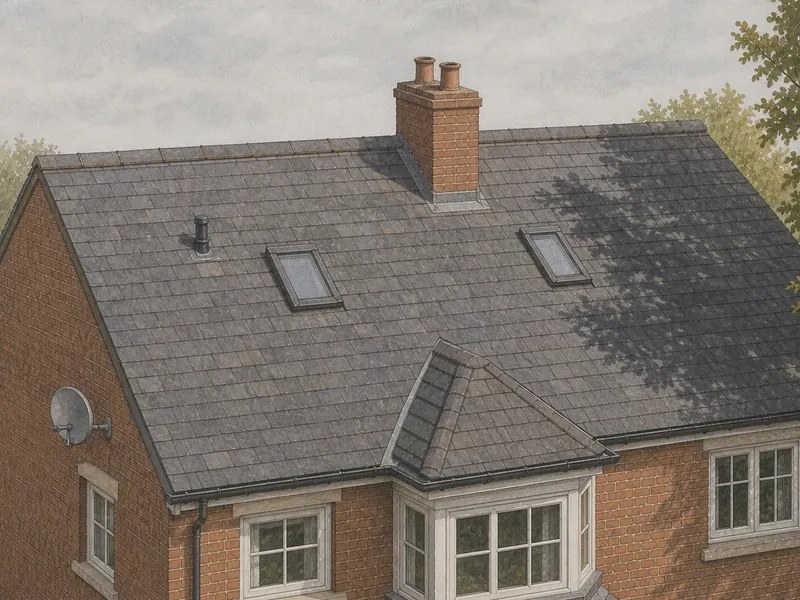
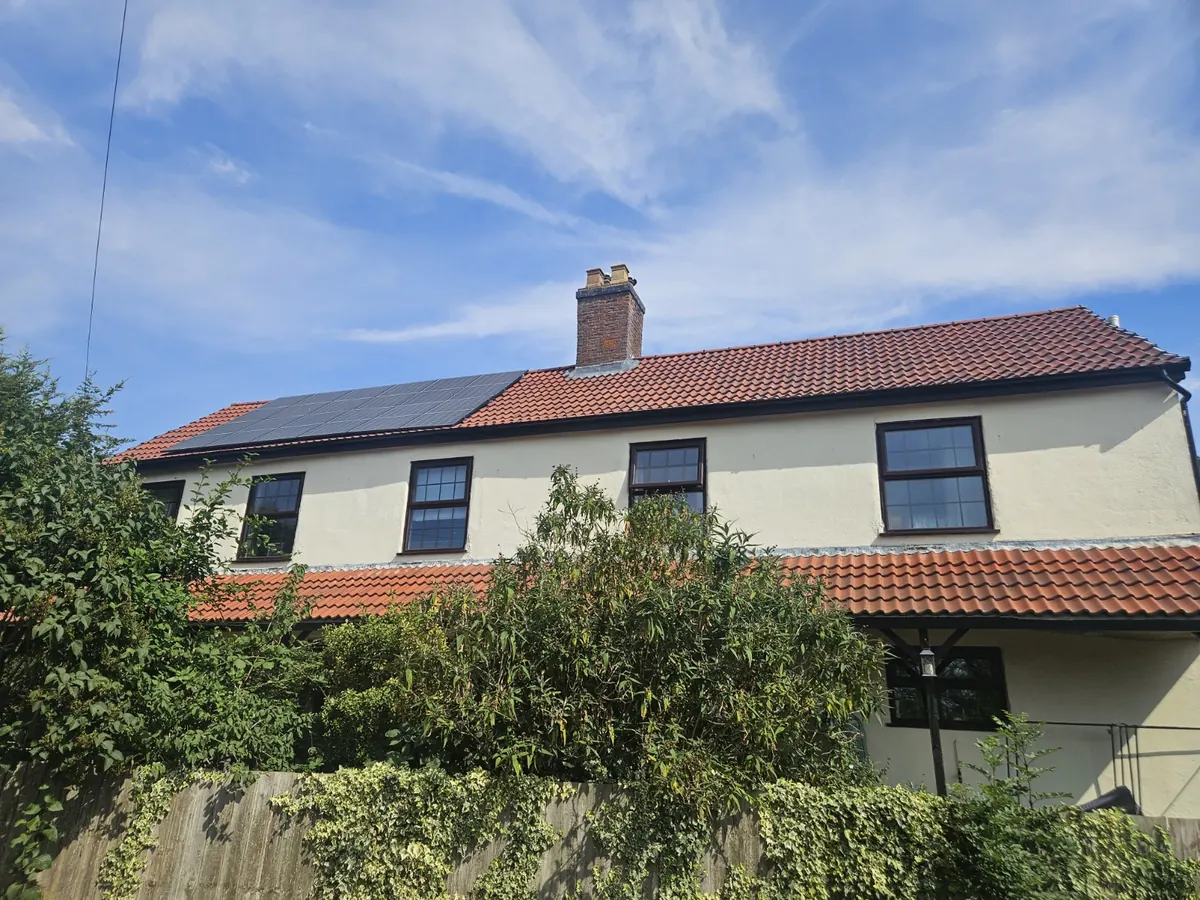
- Photograph the main roof areas from safe ground-level positions.
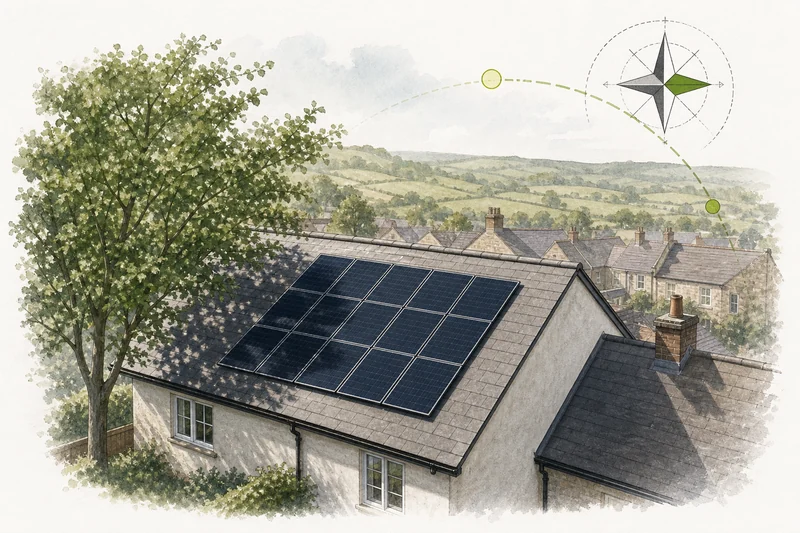
- Note roof material, visible shading, chimneys, roof windows and extensions.
- Record any known roof repairs, leaks or planned work.
- Check whether the property is listed, leasehold or in a conservation area.
Those three answers change the planning position more than anything else on this list. What each one means for permitted development, and how to check your property against the official registers, is set out in planning permission, Building Regulations and grid connection.
3. Electrical and access information
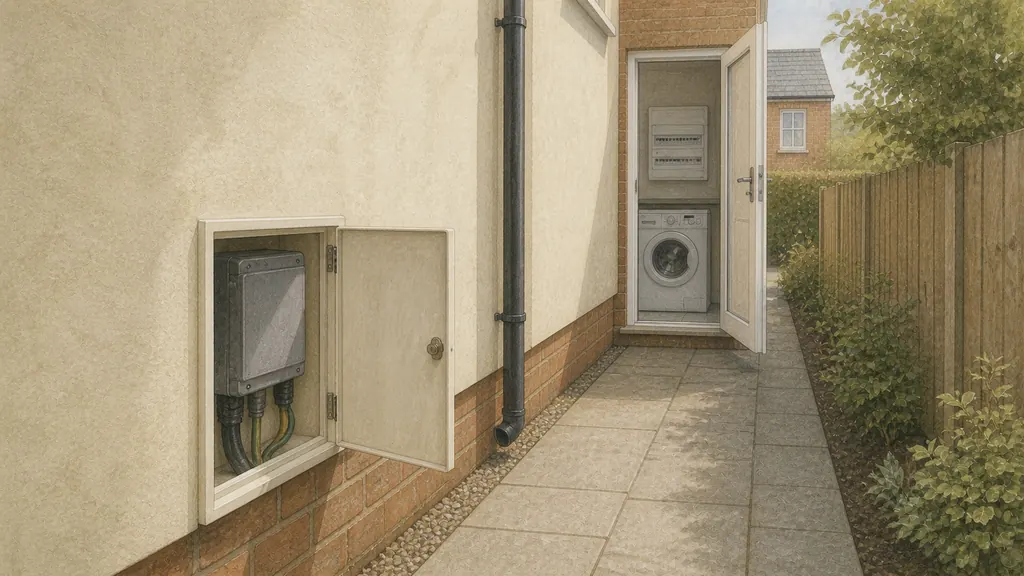
Solar design includes cable routes, inverter location, consumer unit position, metering and safe access.
- Know where the meter and consumer unit are located.
- Photograph the meter area and consumer unit if safe to do so.
- Note access constraints such as conservatories, narrow passages or uneven ground.
4. Decision information
A good recommendation needs to know what the customer values most.
- Rank priorities such as savings, carbon reduction, future EV charging, resilience, long-term value or simplicity.
- Decide whether battery storage is a current requirement or only a future consideration.
- List questions and concerns before the consultation.
If you are working through this list between autumn and spring, that is good timing rather than bad. Buy solar in winter, fit it in spring sets out why the long items are best started now.
Questions to ask before deciding
- What information is missing before a realistic design can be discussed?
- Does the property appear to need a roof, planning, electrical or network check first?
- Which objectives should drive the recommendation?
Information and source control
Information correct as of: 17 July 2026
Sources available on request or reviewed during consultation.